Common Places Mold Can Be Found in Your Home
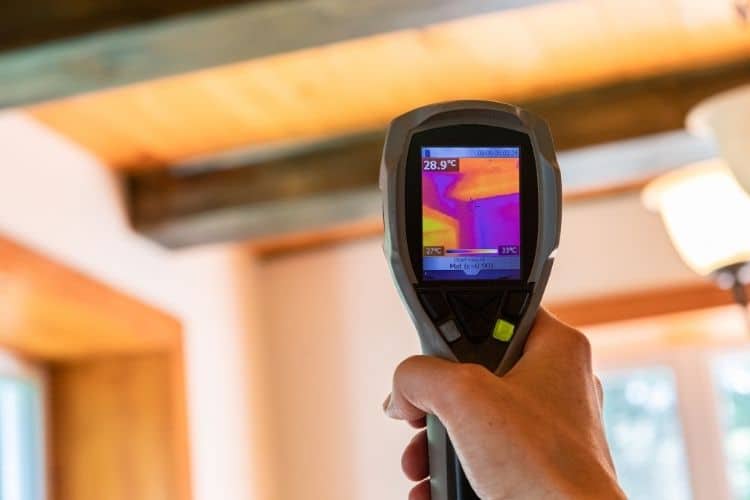
The key to preventing mold growth is to identify and control moisture and water problems. Mold spores are everywhere, including your home, and they can grow on any surface that has sufficient moisture. Common sources of moisture are: roof leaks wet clothes drying inside the home a clothes dryer venting indoors poor or improper ventilation of heating and cooking appliances. Detecting mold can be more complex than spotting a discolored patch on a wall. Mold can grow hidden behind walls, beneath carpets, and in other hard-to-see places. That’s where professional mold assessment services come in. Mold assessment services professionals have equipment with advanced technology to detect and identify mold growth in your home or office. They can provide a comprehensive analysis of your indoor air quality, pinpoint the source of mold, and recommend the best course of action for remediation. https://nf7.z1.web.core.windows.net/moldpreventiontips/index.html There are three principal recognized effects of mold in relation to human health: (1) allergy, (2) infection, and (3) toxicity. One or more of these effects can contribute to a sensation of irritation, which some scientists classify as an additional effect. 1allergy in general, indoor residential exposures are less relevant than outdoor exposure in terms of allergies and effects. 1
read more →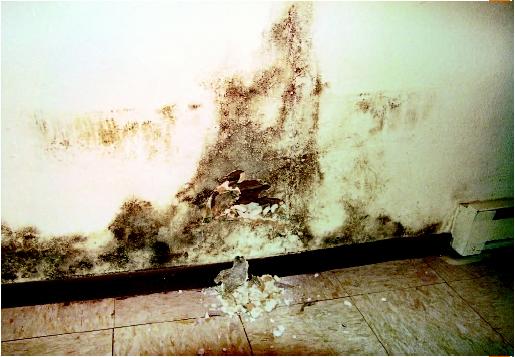
Was your home in a flood?
Mold is found both indoors and outdoors. Mold can enter your home through open doorways, windows, vents, and heating and air conditioning systems. Mold in the air outside can also attach itself to clothing, shoes, and pets can and be carried indoors. When mold spores drop on places with excessive moisture, such as where leakage may have occurred in roofs, pipes, walls, plant pots, or where there has been flooding, they will grow. https://nf7.z1.web.core.windows.net/moldpreventiontips/index.html Moulds and fungi are found in nature and are necessary for the breakdown of leaves, wood and other plant debris. These micro-organisms can enter a building directly or by their spores being carried in by the air. In a home or building, moulds and fungi are usually found growing on wood, drywall (plaster/gypsum/sheetrock®), upholstery, fabric, wallpaper, drapery, ceiling tiles, and carpeting. The key factor is moisture because moulds and fungi need it to grow. As a result, moulds and fungi are most often found in basements, kitchens and bathrooms. In modern buildings, moisture may be present as the result of: flooding. Water damage is a leading cause of mold growth in homes. When left unchecked, even minor leaks can create
read more →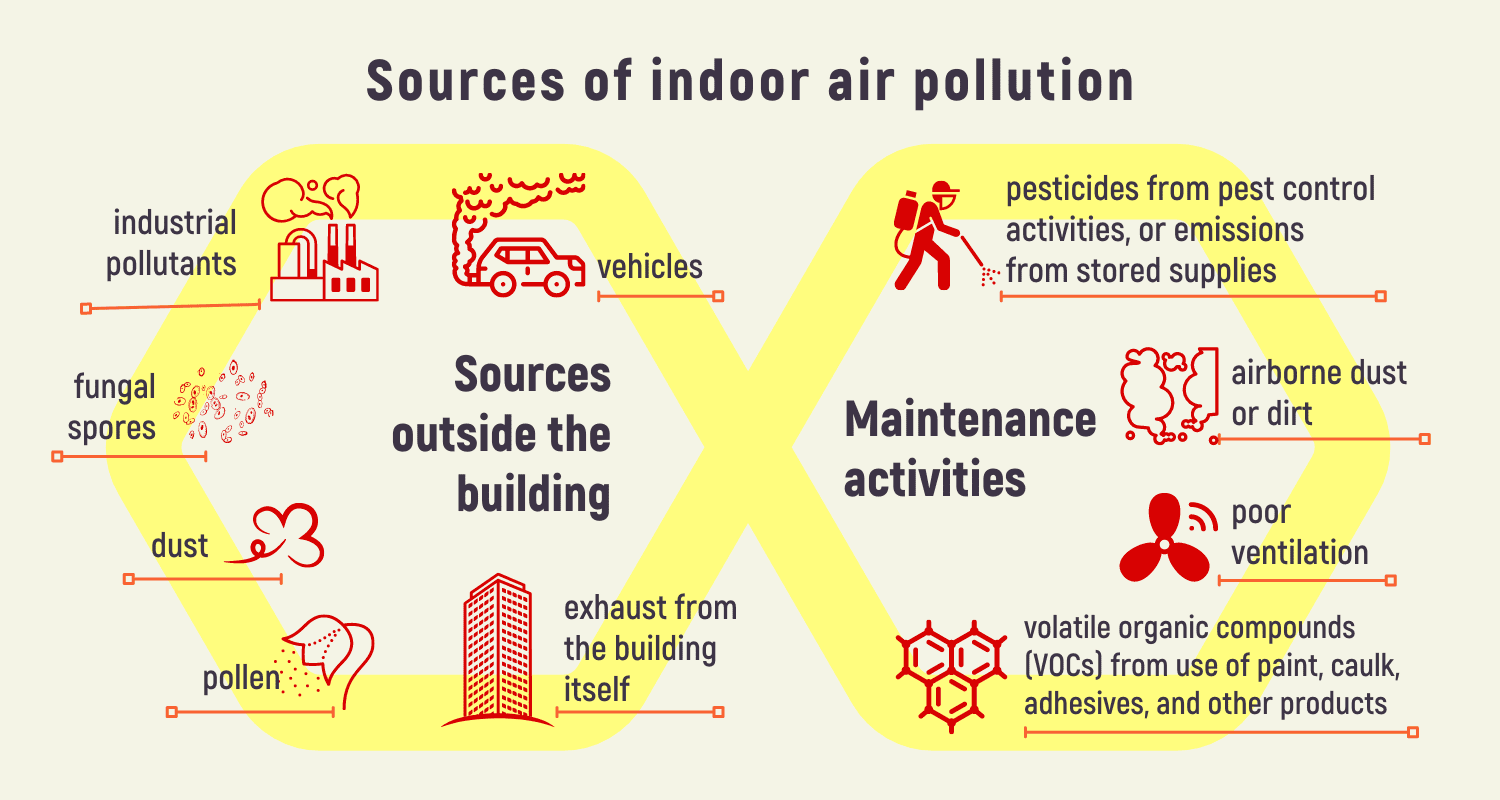
Mold & Indoor Air Quality
Mold can cause many health effects. For some people, mold can cause a stuffy nose, sore throat, coughing or wheezing, burning eyes, or skin rash. People with asthma or who are allergic to mold may have severe reactions. Immune-compromised people and people with chronic lung disease may get lung infections from mold. Molds are part of the natural environment and can be found both indoors and outdoors. Mold is not usually a problem unless it begins growing indoors. For more mold and indoor air quality resources, visit the national centers for disease control and prevention mold resources page. And the environment protection agency page. https://nf7.z1.web.core.windows.net/moldpreventiontips/index.html Molds are part of the natural environment, and can be found everywhere, indoors and outdoors. Mold is not usually a problem, unless it begins growing indoors. The best way to control mold growth is to control moisture. This website provides guidance about mold and moisture for homes, schools, multifamily and commercial buildings. Molds can have a big impact on indoor air quality. Mold can be found in the home, indoors or outdoors, and is a significant cause for concern. In addition to the visible damage to your home and health, toxic mold
read more →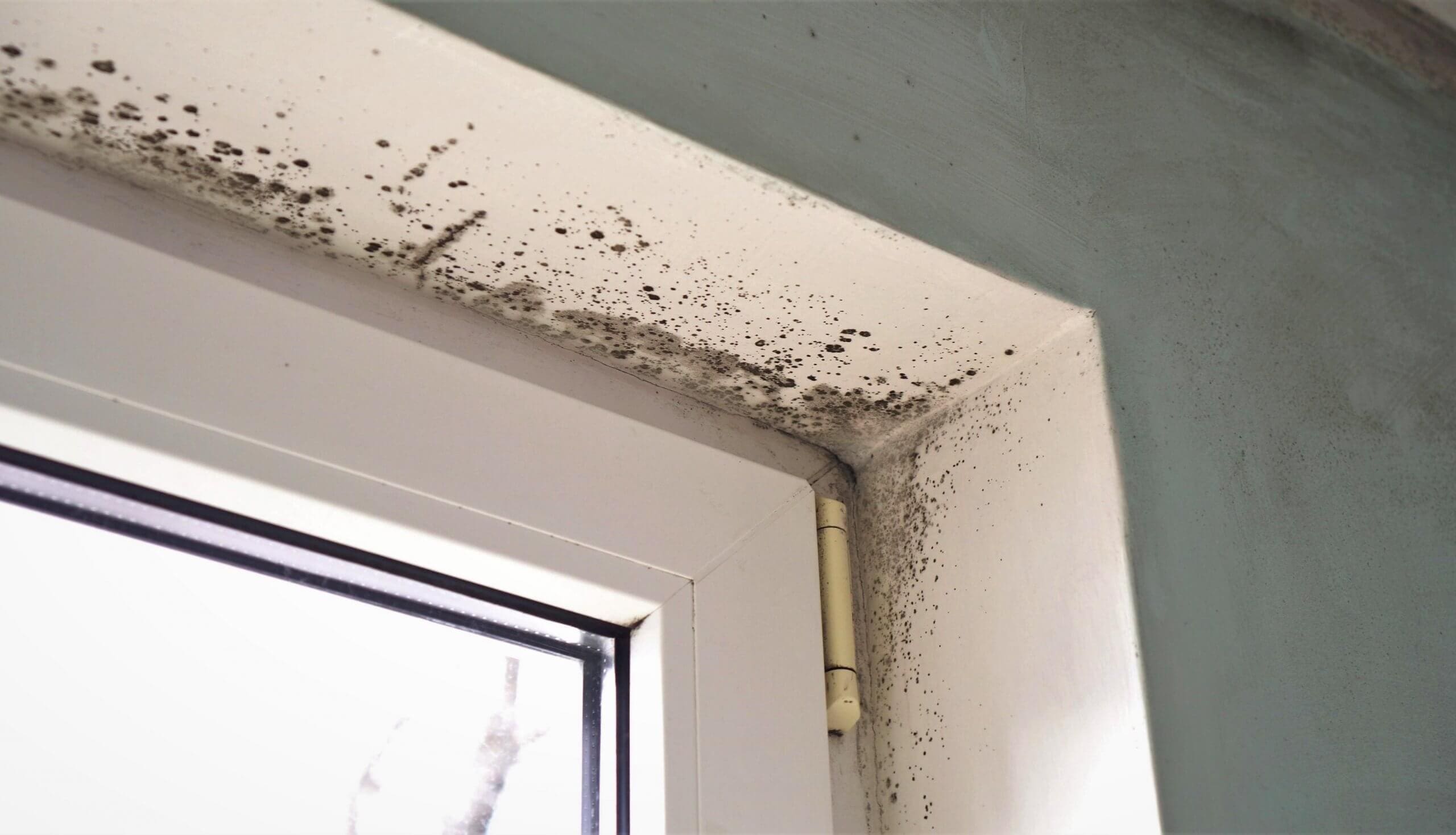
How Can You Monitor Building Health & IAQ?
Mould growth affects one in three homes, and it is the biggest cause for complaints and litigations filed to the relevant authorities in australia, while also significantly affecting the physical and psychological health of the building’s occupants. Indoor mould is caused by excessive dampness, resulting from poor architectural specification, construction and maintenance practices, as well as inappropriate behaviour of the occupants. The consequences range from early biodeterioration of building materials, requiring anticipated renovation works, to deterioration of the indoor environment, posing a serious threat to the building’s occupants. This study investigates indoor air quality (iaq) and mould growth, providing a snapshot of the current iaq of australian residential buildings regarding air pollutants. https://nf7.z1.web.core.windows.net/moldpreventiontips/index.html Ensuring optimal indoor air quality (iaq) begins with understanding its critical role in health and productivity. High-quality indoor air is not just a comfort factor; it is essential for enhancing concentration, boosting morale, and driving productivity across industries like manufacturing, hospitality, and healthcare. Prioritizing iaq is fundamental to creating safer, healthier environments that support both workforce and operational success. Indoor air quality (iaq) refers to the condition of the air within and around buildings and structures, especially as it pertains to the health and comfort
read more →
Understanding Mold In Indoor Spaces and Its Impact on Health and Air Quality
Mold is a common household issue that can significantly impact your indoor air quality and health. By understanding where mold can grow, how it affects your air quality, and the best practices for cleaning and prevention, you can maintain a healthier home environment. Always remember to use protective gear like a face mask and gloves when dealing with mold, and avoid harsh chemicals that can do more harm than good. By improving air circulation and using air purifiers, you can further protect your home from the negative effects of mold. Prioritize these steps to ensure a safer, cleaner living space for you and your family. Mold spores in the air can lead to a range of health problems, including respiratory issues, allergies, and exacerbation of pre-existing conditions like asthma. These health concerns are especially significant in indoor environments, where people spend the majority of their time. To understand the impact of mold on indoor air quality, let\’s consider a comparison:. https://nf7.z1.web.core.windows.net/moldpreventiontips/index.html How Common Is Mold In Indoor Spaces? Mold exposure can lead to various health issues, particularly for individuals with respiratory conditions, allergies, or weakened immune systems. Common symptoms include coughing, sneezing, eye irritation, skin rashes,
read more →
Top 10 Mold-Resistant Building Materials for a Healthier Home Environment
When constructing a home, selecting the right building materials is essential for ensuring long-term durability and safeguarding against mold and water damage. Moisture-resistant building materials provide an added layer of protection, crucial for homes in flood-prone or high-humidity areas. Beyond improving structural integrity, these materials help create a safer, healthier living environment. Here’s a comprehensive guide highlighting the benefits and top recommendations for mold- and moisture-resistant building materials. Why Mold-Resistant Building Materials Matter Mold is a type of fungi that thrives in moist and humid conditions. It can appear in various colors and textures, often spreading rapidly in favorable environments. Mold plays a vital role in nature by breaking down organic matter. However, when it infiltrates indoor environments, it becomes a menace. Mold spores are omnipresent in the air, and they settle on surfaces when conditions are right. In the presence of moisture, these spores can quickly multiply and form visible colonies on various surfaces, including walls, ceilings, floors, and even within building materials like drywall and insulation. Options that will work in only some climates Options: in heating climates, it’s easier to have a well-designed wall system that has the
read more →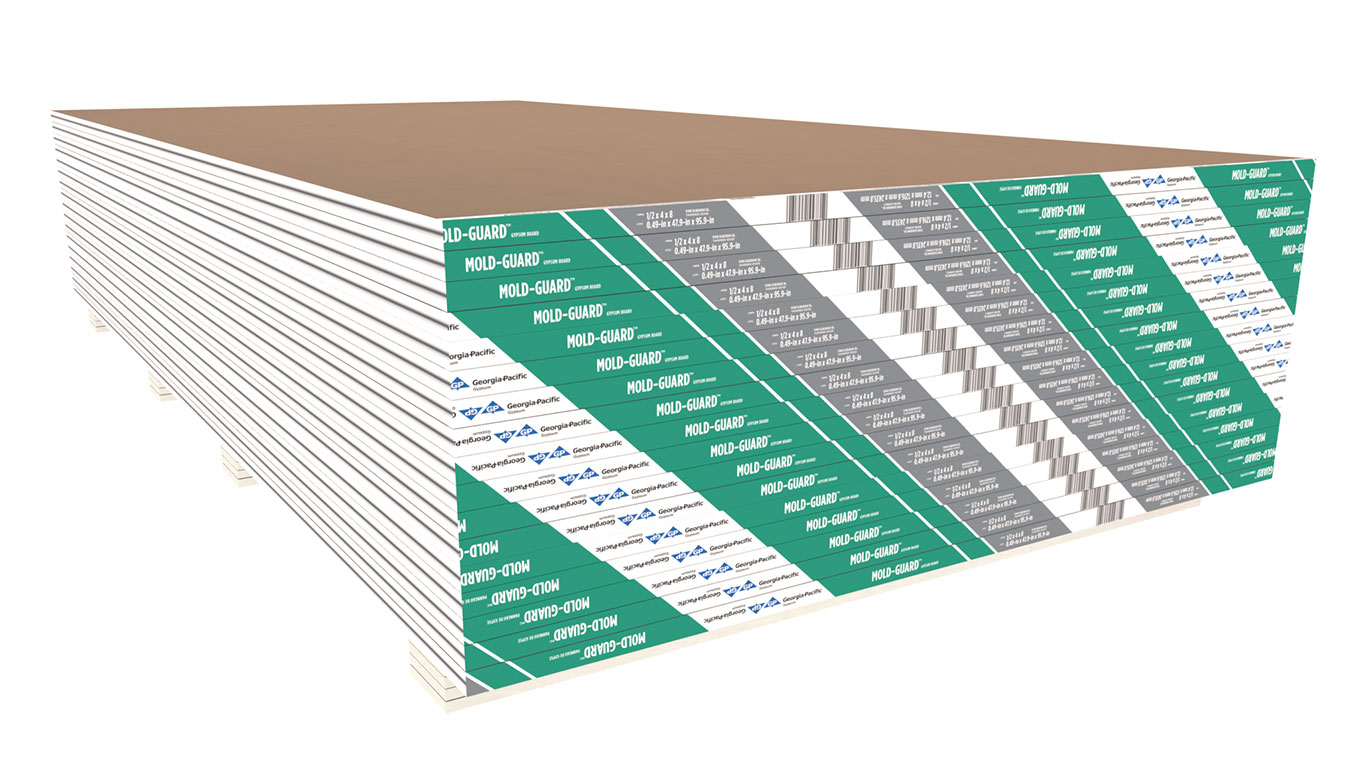
Moisture Control and Vapor Barriers
Climate zone: wall assemblies need to be constructed to suit their unique climate zone, since each zone will experience different moisture/rain and humidity levels, and temperatures. Depending on climate zone, the building codes and standards may also have specific vapor control requirements. Vapour diffusion: vapor diffusion is the movement of moisture in the vapor state because of a vapor pressure difference (concentration gradient) or a temperature difference (thermal gradient). Overall, the direction of vapor drive has important ramifications to the placement of materials within a wall assembly. Improper placement of materials in a wall can lead to condensation on colder surfaces, water-damaged insulation and building materials, as well as fungal growth. Fiberglass insulation comprises microscopic glass shards that form pockets to trap air and reduce heat transmission. Since the substance does not sustain mold, it is inherently mold-resistant. Because of the significant volume of air that can pass through fiberglass, trapped particles, such as mold food sources and spores, may be filtered. Mold may form in fiberglass over time if the appropriate circumstances exist. Some types of fiberglass insulation can be coated or “faced” with paper. This paper is frequently a food source for mold and can be problematic if
read more →
Moisture Resistant Wall Materials
Posted in healthy building materials faswall is part of a revolution in mold-resistant building materials and design choices for mold-free construction. To understand why faswall is one of the best materials to have in your arsenal for mold-resistant building, we have to back up to mold: how it develops, and what material and design choices are best for fighting it. The problem of mold mold reproduces by releasing spores , tiny particles that can be invisible to the naked eye. These spores can travel through the air, or pass from surface to surface through contact transmission, and are almost impossible to keep out of an environment. If it gets wet, the paper facing on standard drywall becomes a perfect habitat for mold to flourish. Mold-resistant drywall, also known as green board or purple board, is made with a moisture-resistant core and treated paper that’s resistant to mold growth. This type of drywall is ideal for basements because it provides a barrier against moisture, reducing the risk of mold development behind walls. Definitely use mold-resistant drywall in areas most susceptible to moisture, such as around plumbing fixtures or on exterior walls. Even better, install fiberglass-faced panels with gypsum cores that are
read more →
Creating a Mold Resistant Home
Pressure treated lumber, the most commonly used wood, is sold as being resistant to rot and resistant to wood destroying insects. However, it is very often not only wet when purchased, but is often mold contaminated with several types of mold. Don’t fall for the clever marketing scam for pressure treated lumber. Mold resistant wood is basically 2x4s that have been treated with an anti-mold fungicide. Areas of your home that can be built with treated wood include the trusses and rafters in your attic, the floor joists for the main and top floor, and the plywood exterior that lies under your siding. Mold growth in buildings poses a significant threat to both structural integrity and indoor air quality, making it a crucial consideration in construction practices. As awareness of the health implications associated with mold exposure increases, so does the demand for materials that can withstand mold proliferation. The selection of mold-resistant building materials is paramount in creating healthier and more durable structures. This article delves into the materials most resistant to mold in construction, providing insights into how these materials contribute to a mold-free environment. The first area of focus is on mold-resistant building materials, which are specifically
read more →
Water damage and insurance
According to insurance industry statistics, the frequency and cost of water damage losses are continuing to increase. Domestic plumbing is a primary culprit of water damage across commercial buildings. Most claims involve leaking pipes caused by corrosion, pipe burst or failure. No matter what your business, chubb believes the solution to water damage losses is a balance of the following three factors; risk appreciation, risk assessment (including a water damage mitigation plan), and water detection technology to address the inevitable gaps. Prevent water damage from bursting or leaking pipes, bathroom and kitchen plumbing issues, leaking roofs and many other water damage culprits with specific actionable tips. By pti marketing | dec 21, 2013 water damage can result in the loss of your possessions and disrupt your life. people ’s trust insurance has put together some common areas that with proper maintenance your home can avoid damage and loss. Take a look at our precaution tips below on how to avoid damage in your home. Washing machines – plastic or rubber washing machine hoses eventually leak and even burst. Three bad combinations here: the machine jars and jumps; the lines get hot and cold repeatedly; laundry rooms are typically
read more →