Mold & Indoor Air Quality
by Admin
Posted on 07-03-2025 10:40 AM
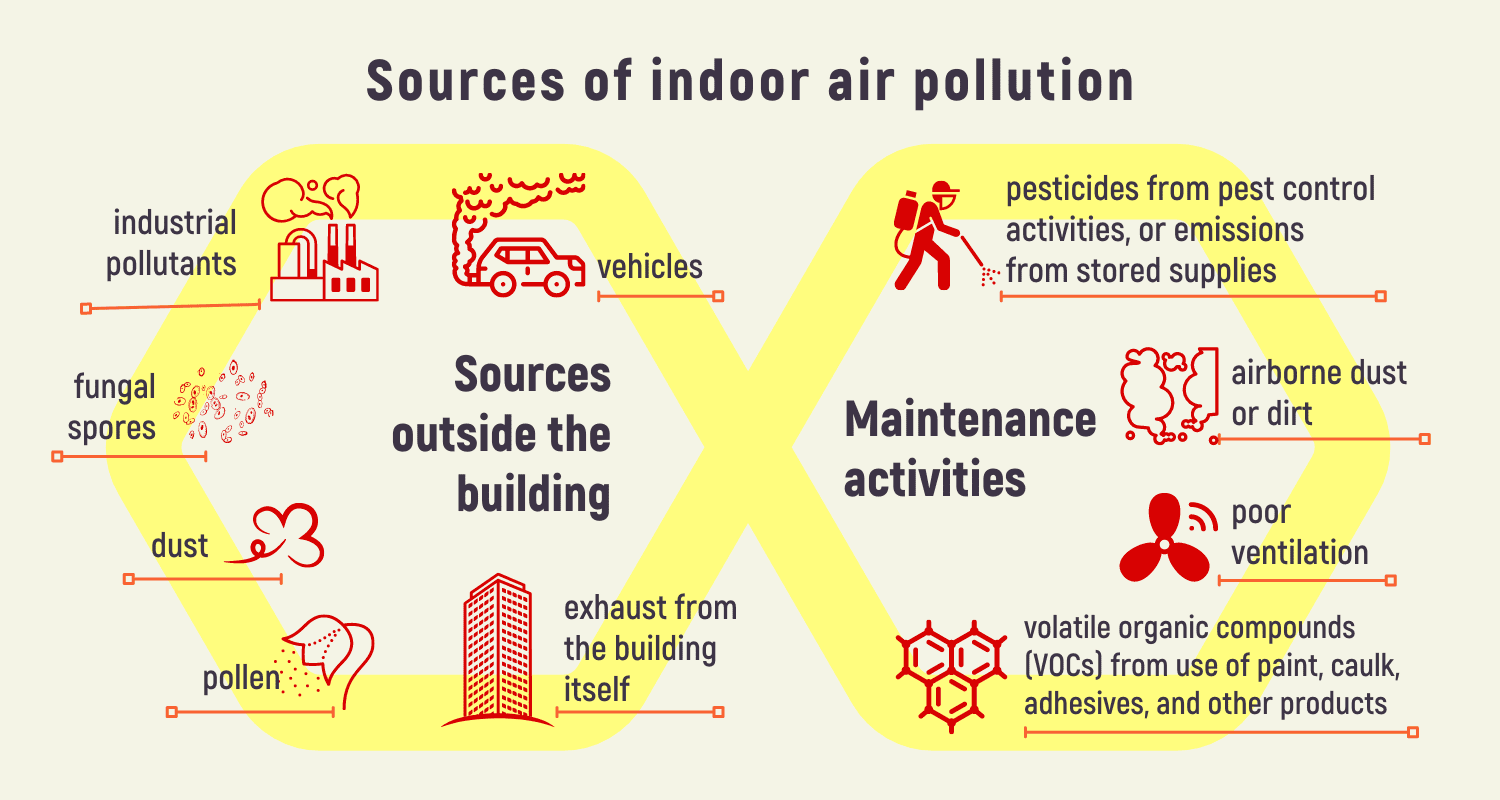
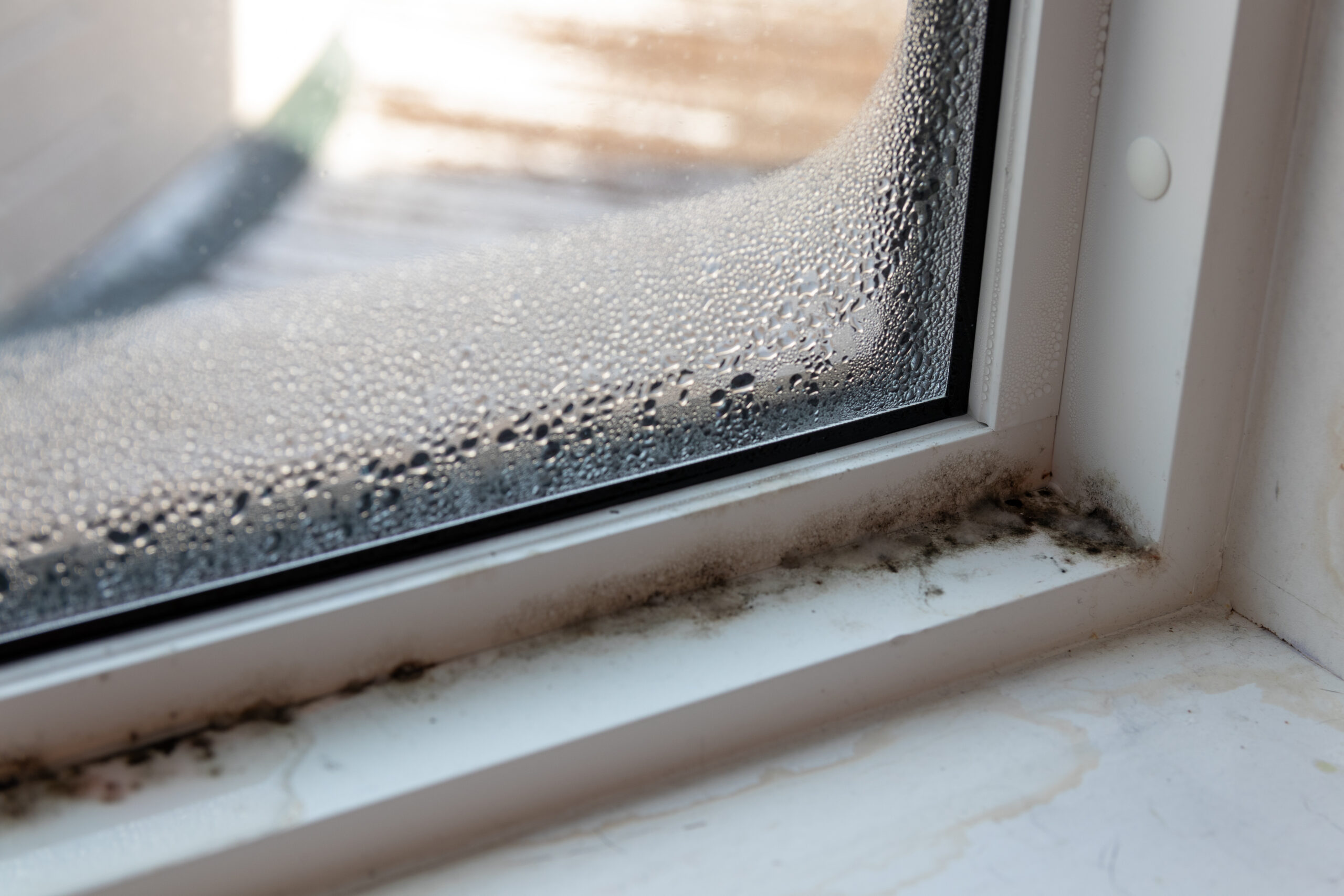
Mold can cause many health effects. For some people, mold can cause a stuffy nose, sore throat, coughing or wheezing, burning eyes, or skin rash. People with asthma or who are allergic to mold may have severe reactions. Immune-compromised people and people with chronic lung disease may get lung infections from mold. Molds are part of the natural environment and can be found both indoors and outdoors. Mold is not usually a problem unless it begins growing indoors.
 For more mold and indoor air quality resources, visit the national centers for disease control and prevention mold resources page. And the environment protection agency page.
https://nf7.z1.web.core.windows.net/moldpreventiontips/Mold-Prevention/62-Acute-Respiratory-Infection.html
For more mold and indoor air quality resources, visit the national centers for disease control and prevention mold resources page. And the environment protection agency page.
https://nf7.z1.web.core.windows.net/moldpreventiontips/Mold-Prevention/62-Acute-Respiratory-Infection.html
Molds are part of the natural environment, and can be found everywhere, indoors and outdoors. Mold is not usually a problem, unless it begins growing indoors. The best way to control mold growth is to control moisture. This website provides guidance about mold and moisture for homes, schools, multifamily and commercial buildings. Molds can have a big impact on indoor air quality.
Mold can be found in the home, indoors or outdoors, and is a significant cause for concern. In addition to the visible damage to your home and health, toxic mold can also cause unseen problems such as poor indoor air quality, airborne contamination, and allergens that can affect the health of everyone in the building. If left unaddressed, mold can quickly spread and worsen. It can even contaminate air ducts.
Improving Indoor Air Quality
By taviphoto at shutterstock
most of us are pretty fearful of mold in the home – for good reason, too. Besides the obvious damages, such as to your home and health, mold is known to cause unseen problems.
It often leads to poor indoor air quality, airborne contamination, and allergens affecting the health of everyone in the building. It won’t be long before your mold problem spreads into the air ducts and quickly worsens. Your options? there’s only one. You need to schedule immediate mold remediation services. A team of iicrc -certified technicians can help eliminate the problem altogether.
A brief guide to mold, moisture and your home: epa guide to mold and mold cleanup in the home osha: brief guide to mold in the workplace indoor mold, toxigenic fungi, and stachybotrys chartarum: infectious disease perspective. D. M. Kuhn and m. A. Ghannoum. Clin microbiol rev. Jan 2003; 16(1): 144–172. From: canadian centre for occupational health and safety: indoor air quality - molds and fungi from: cdc workplace health and safety topics: indoor environmental quality/dampness and mold in buildings.
Recognizing the early signs of mold is the first step in protecting indoor air quality. Addressing these signs promptly is critical. Mold can spread quickly and compromise both air quality and structural integrity if left untreated. Below are some common indicators that mold might be present in your office: persistent musty odors - mold often emits a damp, earthy smell that lingers in affected areas. Visible mold growth - black, green, or white spots on walls, ceilings, or under carpets are clear signs of a problem. Health complaints - if employees frequently report symptoms like headaches, coughing, or skin irritation, mold might be the culprit.
We Want To Hear From You!
May 22, 2024 as the air turns warmer, flowers and trees start to bloom as we welcome the first signs of spring. But if you’re someone who suffers from seasonal allergies, this time of year can make you feel miserable. Air quality has a tremendous impact on our health and wellbeing. But did you know that your indoor air quality can affect your health even more significantly than outside air – and the impact can happen any time of year? according to the world health organization (who), exposure to household air pollution leads to several diseases, including stroke, ischemic heart disease, chronic obstructive pulmonary disease (copd) and lung cancer.
Noise can be defined as a form and level of environmental sound that is generally considered likely to annoy. The city of berkeley’s planning and development department on the other hand defines sound as pressure variations in air or water which can be perceived by human hearing and the objectionable nature of sound could be caused by its pitch or its loudness. In addition to the concepts of pitch and loudness, there are several methods to measure noise. The most common is use of a unit of measurement called a decibel (db). On the db scale, the zero represents the lowest sound level that a healthy, unimpaired human ear can detect.
Aside from short-term health effects, poor iaq can have a long-term impact on your health. In fact, you might not see any impact on your health until years after exposure has already occurred. These health effects may include certain respiratory diseases, heart diseases, cancer, and diseases affecting the nervous system. Some of these may cause severe debilitation or even death. Much is still unknown about what concentrations or time exposure is needed to produce these health issues. However, you can help to prevent these long-term health issues by employing strategies meant to help improve iaq.
Microbial pollution is a key element of indoor air pollution. It is caused by hundreds of species of bacteria and fungi, in particular filamentous fungi (mould), growing indoors when sufficient moisture is available. This document provides a comprehensive review of the scientific evidence on health problems associated with building moisture and biological agents. The review concludes that the most important effects are increased prevalences of respiratory symptoms, allergies and asthma as well as perturbation of the immunological system. The document also summarizes the available information on the conditions that determine the presence of mould and measures to control their growth indoors.
Preventing spore growth is the key to maintaining good indoor air quality. To combat this indoor air pollutant: address moisture issues promptly. Fix leaks, control humidity levels, and ensure proper ventilation. Regularly inspect your home for signs of water damage. Clean and dry any affected areas within 24-48 hours.
Molds grow on almost any organic substance, as long as moisture and oxygen are present. When excessive moisture accumulates in buildings or on building materials, mold growth will often occur, particularly if the moisture problem remains undiscovered or unaddressed. It is impossible to eliminate all mold and mold spores in the indoor environment. However, mold growth can be controlled indoors by controlling moisture indoors. Rehs has developed guidelines for the cleanup of moldy surfaces and materials. These guidelines are based upon recommendations presented by the epa. The epa does not regulate mold or mold spores in the indoor air.