Common Places Mold Can Be Found in Your Home
by Admin
Posted on 07-03-2025 10:40 AM
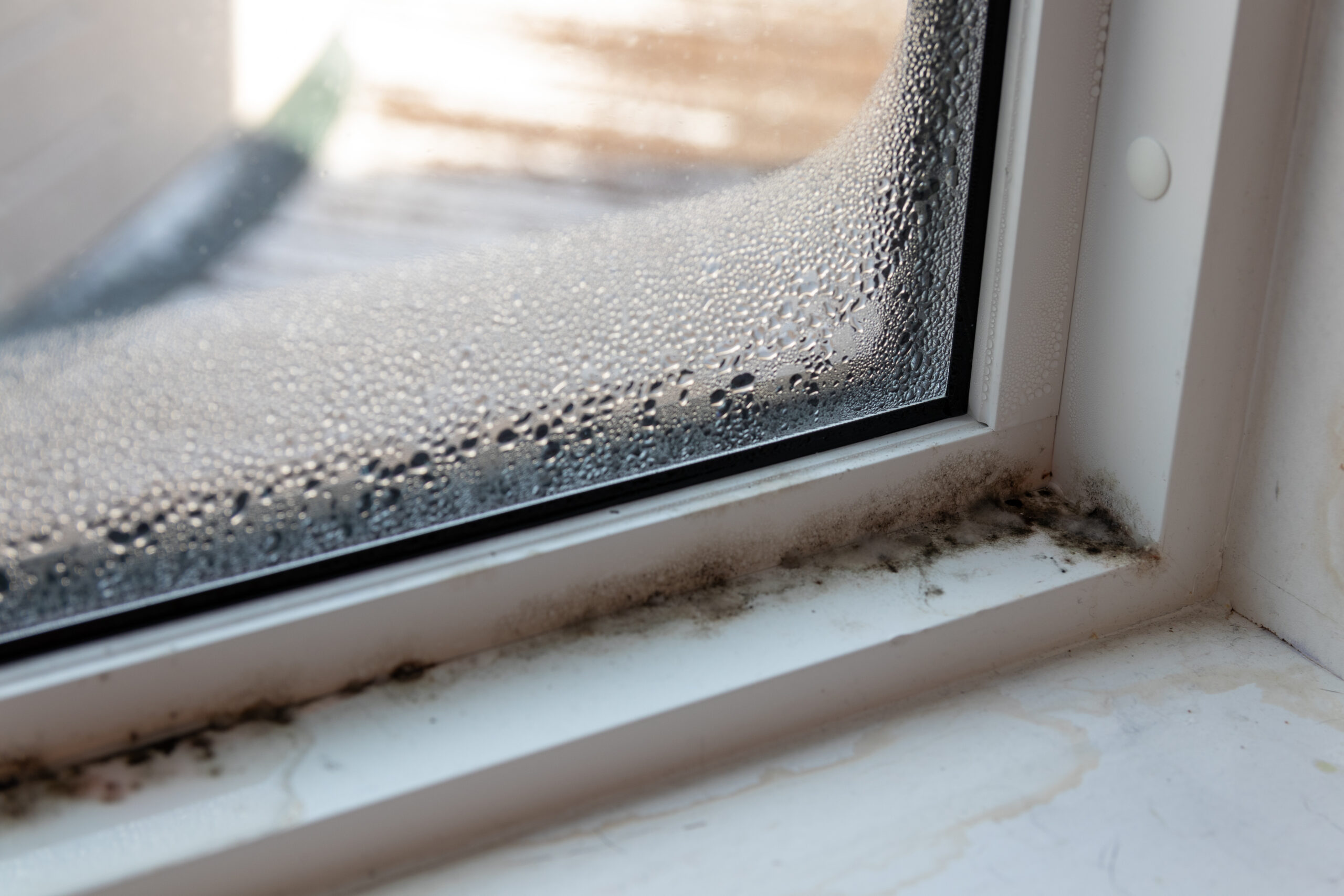
The key to preventing mold growth is to identify and control moisture and water problems. Mold spores are everywhere, including your home, and they can grow on any surface that has sufficient moisture. Common sources of moisture are:
roof leaks
wet clothes drying inside the home
a clothes dryer venting indoors
poor or improper ventilation of heating and cooking appliances.
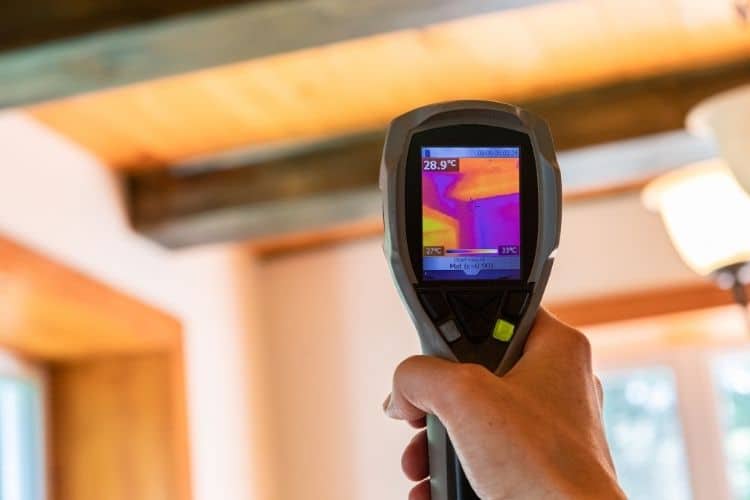
Detecting mold can be more complex than spotting a discolored patch on a wall. Mold can grow hidden behind walls, beneath carpets, and in other hard-to-see places. That’s where professional mold assessment services come in. Mold assessment services professionals have equipment with advanced technology to detect and identify mold growth in your home or office. They can provide a comprehensive analysis of your indoor air quality, pinpoint the source of mold, and recommend the best course of action for remediation. https://nf7.z1.web.core.windows.net/moldpreventiontips/Mold-Prevention/62-Acute-Respiratory-Infection.html
There are three principal recognized effects of mold in relation to human health: (1) allergy, (2) infection, and (3) toxicity. One or more of these effects can contribute to a sensation of irritation, which some scientists classify as an additional effect. 1allergy in general, indoor residential exposures are less relevant than outdoor exposure in terms of allergies and effects. 1 allergy is by far the main concern in home and office environments. Molds are common and important airborne allergens along with grass, tree pollen, and pet dander. In order for an allergic reaction to airborne mold spores to occur, an individual must have an allergy to the specific mold being inhaled, and there must be a sufficient amount of spores inhaled to cause a reaction.
Unexpected Places Mold Can Be Found in Your Home
Black mold grows naturally in the environment. You can find it in most places in nature.
You can also find it in areas of your home that have the proper conditions for it to grow, such as a bathroom, basement, laundry room or areas with water leaks. In order to grow and spread, it needs:.
(815) 905-2225 contact us most of us go about our daily lives without considering the unseen factors that affect our health. When it comes to our homes and workplaces, fresh air quality is often taken for granted. We may invest in air purifiers and diligently replace filters, but how frequently do we consider the role of mold when determining air quality? (hint – it may not be often enough!) mold has been a hot topic in public health for years, with various strains linked to multiple health issues, ranging from allergies to respiratory problems. Yet, mold spores (or “airborne mold”) remain elusive, growing out of sight in unexpected areas.
If you find that your home is having issues with mold, you should always contact a professional remediation company to give your home a thorough cleansing. However, there are steps you can take to reduce mold growth, if not prevent it from taking root in the first place. In particular, mold thrives in locations that are damp and humid, so your first step should be to remove the humidity to prevent the growth of more mold. To reduce humidity, you want to focus on ventilation. For example, you should use a dehumidifier to reduce moisture in the air and open windows to help the air circulate through your home.
The Impact of Mold on Your Indoor Air Quality
Anagnost, s. E. , setliff, e. C. , zhou, s. And c. J. K. Wang. 2006. Frequency of basidiomycete fungi in the indoor air of urban homes. Proceedings of the air and waste management symposium on indoor environmental quality, durham, north carolina, july 16-17 2006. Gent, j. F. , ren, p. , belanger, k. , triche, e. , bracken, m. B. , holford, t. R. And b. P. Lederer. 2002. Levels of household mold associated with respiratory symptoms in the first year of life in a cohort at rish for asthma. Environmental health perspectives 110(12):a781-a786. Rosenbaum pf; hargrave tm; abraham jl; crawford ja; hunt a; liu c; hall g; anagnost se; catranis c; fernando aa; morey sr; zhou s; wang cjk; indoor mold and the risk.
Mold and mold spores adversely affect indoor air quality (iaq). Health conscious people or those suffering from the presence of mold in their homes need a certain level of knowledge and a lot of effort to clean and keep their environment healthy. Different types of mold - black mold, toxic mold, allergenic mold - are present all the time around us and in the air we breathe. In low levels, molds and mold spores are generally harmless but if their levels increase they can affect people; especially people with allergies, asthma and respiratory conditions or suppressed.
Mold thrives in damp environments and releases spores into the air that can be harmful when inhaled. These spores can lead to allergic reactions, respiratory issues, and other health complications. For a safe indoor environment, it’s crucial to engage with mold experts who can assess and improve your air quality through effective mold remediation solutions.
understanding how respiratory health risks are associated with poor housing is essential to designing effective strategies to improve children's quality of life. The objective of the study described in this article was to determine the relationship between respiratory health and housing conditions. A survey was completed by 3,424 parents of children in third and fourth grade in winnipeg, manitoba, canada. An engineering audit and air samples were also taken in the homes of a subset of 715 homes. Results showed that a child's respiratory health is significantly associated with self-reported visible mold in the home and that a significant association existed between occupant-reported visible mold and tested airborne mold.
During an air quality inspection, a professional technician will evaluate the air in your home using specialized tools. They will measure the levels of particulate matter, allergens, volatile organic compounds, and other pollutants. Based on the results, recommendations can be made to improve the air quality, such as enhancing ventilation, installing air purifiers, or addressing specific sources of pollution. Furthermore, a comprehensive air quality inspection may also include an assessment of the hvac system to ensure proper functioning and air circulation. This holistic approach helps in identifying any potential issues that could be compromising the quality of the air in your home.