Creating a Mold Resistant Home
by Admin
Posted on 20-02-2025 11:39 AM
Pressure treated lumber, the most commonly used wood, is sold as being resistant to rot and resistant to wood destroying insects. However, it is very often not only
wet
when purchased, but is often mold contaminated with several types of mold. Don’t fall for the clever marketing scam for pressure treated lumber. Mold resistant wood is basically 2x4s
that have been treated with an anti-mold fungicide. Areas of your home that can
be built with treated wood include the trusses and rafters in your attic, the
floor joists for the main and top floor, and the plywood exterior that lies
under your siding.
Mold growth in buildings poses a significant threat to both structural integrity and indoor air quality, making it a crucial consideration in construction practices. As awareness of the health implications associated with mold exposure increases, so does the demand for materials that can withstand mold proliferation. The selection of mold-resistant building materials is paramount in creating healthier and more durable structures. This article delves into the materials most resistant to mold in construction, providing insights into how these materials contribute to a mold-free environment. The first area of focus is on mold-resistant building materials, which are specifically designed to inhibit mold growth from the outset.
Mold-resistant drywall, also known as green board or purple board, is specially designed to inhibit mold growth. It contains fiberglass facing that offers enhanced protection against moisture, making it an ideal choice for areas prone to high humidity such as bathrooms, kitchens, and basements. According to buffalo restoration, "mold-resistant drywall is a cost-effective solution to prevent mold growth in your home, providing peace of mind and long-term protection. ".
Tips for New Homes
If you live in a part of tucson that experiences frequent moisture (especially during monsoon season), upgrading to mold-resistant insulation can protect your home’s structure and prevent mold from growing behind the walls.
Additionally, homes with old or damaged insulation may benefit from this upgrade. For more tips on selecting the right insulation for your home, read this article.
The Best Mold Resistant Building Materials To Mold Proof A Home
Mold. Its living, growing, and, with the exception of mushrooms, not something we’re generally happy about. Mold will grow on almost any organic substance. If water and oxygen are present, mold growth will occur, especially when left to produce over a long period of time in a warm environment. Mold is especially annoying when it invades our homes, businesses and commercial spaces. In the building materials and construction industry, mold problems are not uncommon. In fact, mold has become such a widespread issue that the u. S. Environmental protection agency has recently declared the month of september, as mold awareness month.
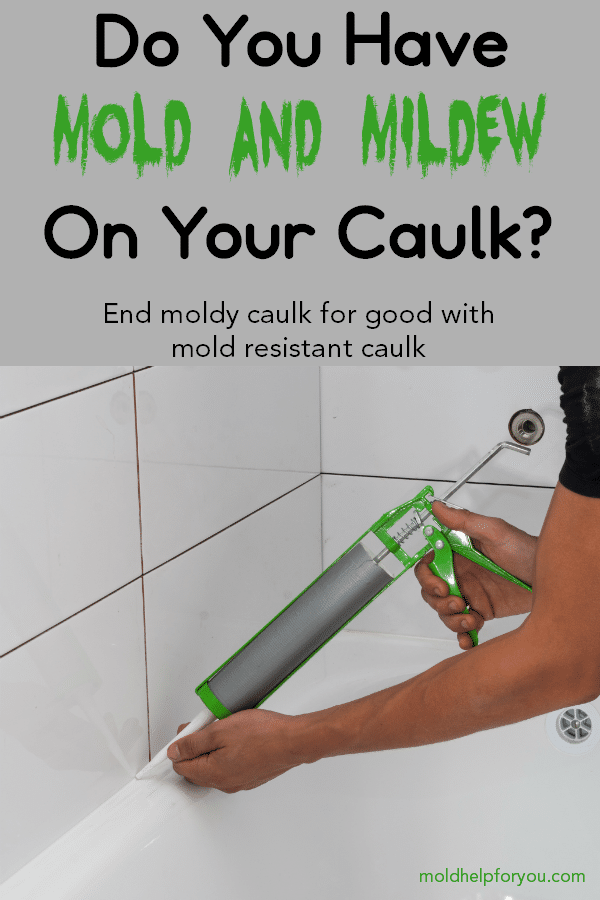
Your choice of mold-resistant materials can be your home’s ultimate defense. By opting for mold-resistant drywall, antimicrobial sealants, proper insulation, and mold-resistant caulk, you’re building a fortress that mold can’t breach. Servicemaster of greater pittsburgh is your trusted ally in this fight, guiding you through the choices and ensuring your home remains mold-free. Invest wisely, fortify your home, and enjoy a mold-resistant haven for years. Say goodbye to mold worries and contact us for a healthier, happier home!.
Areas and rooms prone to high levels of humidity and moisture can benefit from mold-resistant drywall. While this material is more expensive than standard drywall, its resistance to mold means it can help prevent unhealthy conditions from developing in a home. That protection alone can make investing in this building material well worth the price. Mt copeland offers video-based online classes that give you a foundation in construction fundamentals with real-world applications, like drywall finishing. Classes include professionally produced videos taught by practicing craftspeople, and supplementary downloads like quizzes, blueprints, and other materials to help you master the skills.
the paper on regular drywall is appealing to mold because it is an organic (once-living) material. Non-papered gypsum drywall, fiberglass wallboard or cement board are all mold-resistant alternatives to traditional drywall because they do not contain organic materials. Quick-setting joint compounds and fiberglass drywall tape are much better at resisting mold than their more common counterparts, mainly because they do not retain moisture as long.
Installation for mold-resistant drywall is identical to that for standard drywall. Panels of drywall are nailed or screwed to the bare framing, then the joints between panels are covered with drywall tape and finished with several coats of taping compound, which are lightly sanded between coats. Baseboards and other trim are generally nailed in place after the drywall is installed. Once complete, the surface is ready for painting or another finish. Since mold-resistant drywall is generally installed in humid locations, the best surface finish is with wall primer and paint that have good mildew and mold resistance.