Moisture Control and Vapor Barriers
by Admin
Posted on 20-02-2025 11:39 AM
Climate zone: wall assemblies need to be constructed to suit their unique climate zone, since each zone will experience different moisture/rain and humidity levels, and temperatures.
 Depending on climate zone, the building codes and standards may also have specific vapor control requirements. Vapour diffusion: vapor diffusion is the movement of moisture in the vapor state because of a vapor pressure difference (concentration gradient) or a temperature difference (thermal gradient). Overall, the direction of vapor drive has important ramifications to the placement of materials within a wall assembly. Improper placement of materials in a wall can lead to condensation on colder surfaces, water-damaged insulation and building materials, as well as fungal growth.
Fiberglass insulation comprises microscopic glass shards that form pockets to trap air and reduce heat transmission. Since the substance does not sustain mold, it is inherently mold-resistant. Because of the significant volume of air that can pass through fiberglass, trapped particles, such as mold food sources and spores, may be filtered. Mold may form in fiberglass over time if the appropriate circumstances exist. Some types of fiberglass insulation can be coated or “faced” with paper. This paper is frequently a food source for mold and can be problematic if put in moist places. Like other fiber insulation materials , fiberglass can retain moisture and cause condensation.
Our Mold-Resistant Building Materials Are Long Lasting
Preventing mold growth is vital for maintaining a healthy and durable living environment.
Using mold-resistant building materials and adopting mold-proofing practices reduces the risk of mold infestation in your home or building. What’s more, investing in these materials not only protects your property but also promotes a healthier lifestyle. So, what are you waiting for? embrace mold-resistant technologies and materials today to ensure a mold-free and long-lasting structure.
When building or renovating, selecting water-resistant materials is crucial to ensuring durability and longevity. Water damage to siding, decks, porches, trim, and other structural elements can lead to costly repairs and even safety hazards if left unaddressed. By choosing innovative materials designed to withstand exterior elements, homeowners and builders can create structures that are long-lasting but also stylish and functional. This guide explores the top water-resistant building materials and their benefits in modern construction.
Mold is a living organism in the diverse life kingdom of fungi, which includes mushrooms, mold, and mildew. In nature, mold is one of the grand recyclers of organic matter and plays a crucial role in breaking down plants, leaves, and wood. Mold reproduces by microscopic spores easily transported elsewhere in air, by physical disturbance, even by hitching a ride on our clothes. Most mold species can produce spores into millions, even billions under minimal and common growing conditions. Mold spores are invisible to the naked eye, except when they flourish into colonies and grow visible masses of pigmented spores in yellow, green, black, orange, and an array of other colors.
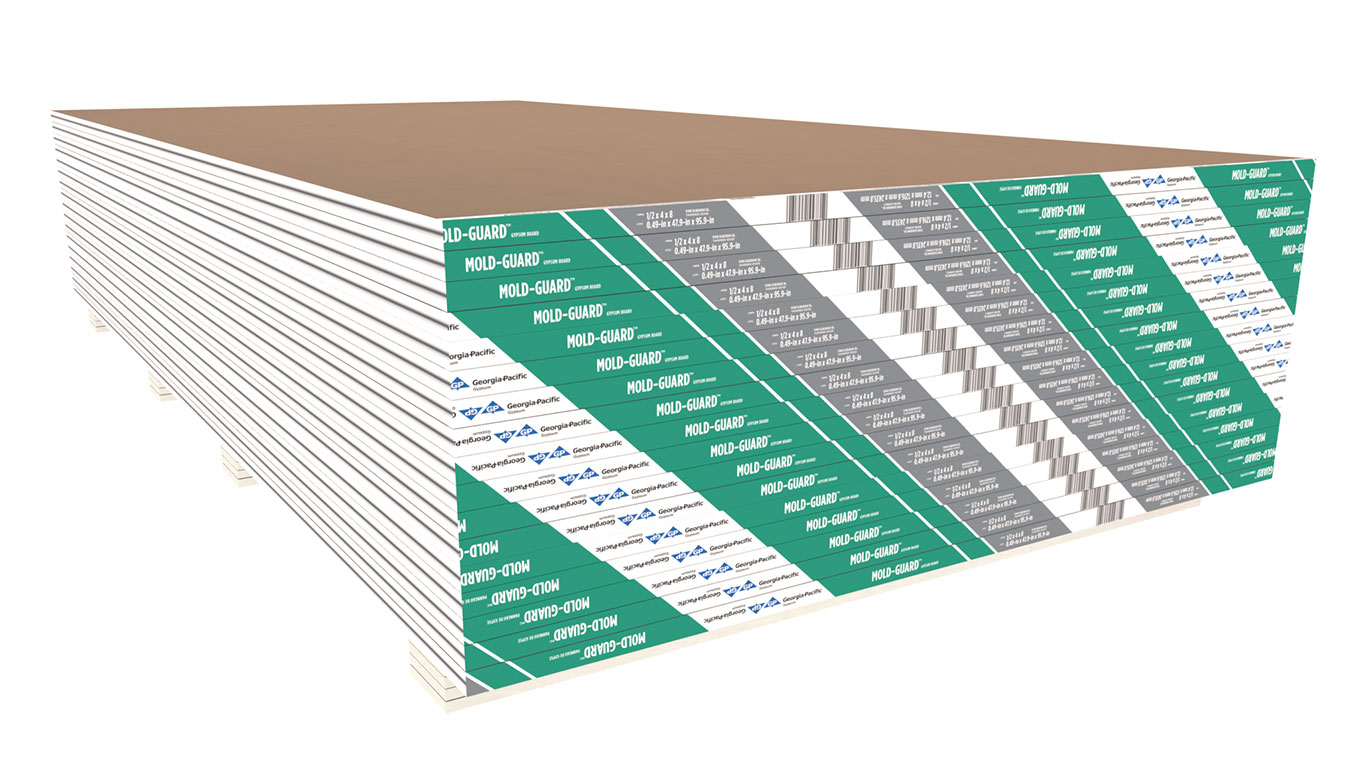
The epa ran a project aimed at making the testing protocols for drywall, and other building materials, more standardized and accurate. As it explained in its december 2008 brief: removal of growth substrates from building materials, or the incorporation of antimicrobial agents in the manufacturing of building products may prevent mold growth and the spread of biological contaminants. There are several building products readily available that can reduce mold growth in the indoor environment. However, there is no nationally accepted testing and verification program to guide consumers and building professionals on how to select or specify the best building products for their needs.