Was your home in a flood?
by Admin
Posted on 07-03-2025 10:40 AM
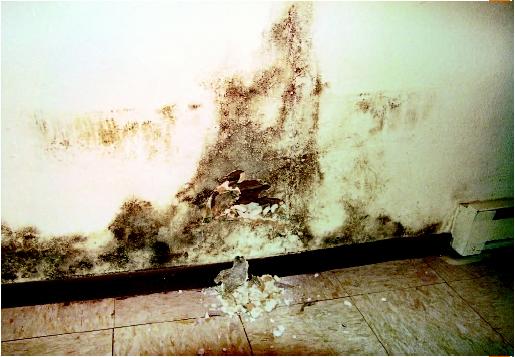
Mold is found both indoors and outdoors. Mold can enter your home through open doorways, windows, vents, and heating and air conditioning systems. Mold in the air outside can also attach itself to clothing, shoes, and pets can and be carried indoors. When mold spores drop on places with excessive moisture, such as where leakage may have occurred in roofs, pipes, walls, plant pots, or where there has been flooding, they will grow.
 https://nf7.z1.web.core.windows.net/moldpreventiontips/Mold-Prevention/62-Acute-Respiratory-Infection.html
Moulds and fungi are found in nature and are necessary for the breakdown of leaves, wood and other plant debris. These micro-organisms can enter a building directly or by their spores being carried in by the air. In a home or building, moulds and fungi are usually found growing on wood, drywall (plaster/gypsum/sheetrock®), upholstery, fabric, wallpaper, drapery, ceiling tiles, and carpeting. The key factor is moisture because moulds and fungi need it to grow. As a result, moulds and fungi are most often found in basements, kitchens and bathrooms. In modern buildings, moisture may be present as the result of: flooding.
Water damage is a leading cause of mold growth in homes. When left unchecked, even minor leaks can create conditions conducive to mold proliferation. Common sources of water damage include plumbing leaks, roof leaks, and flooding. When these issues are not promptly addressed, mold can begin to grow within 24-48 hours. Mold spores thrive in damp environments, and once they take root, they can spread rapidly. This growth not only damages the structure of your home but also poses significant health risks to its occupants. Exposure to mold can lead to various health issues, particularly affecting the respiratory system.
YOU CAN STILL ADD MORE!
The health effects of mold exposure in the home can vary from person to person. While some may experience less severe symptoms, others may develop greater health problems. Like dust and pet dander, mold growth affects people with allergies, weakened immune systems, or pre-existing respiratory problems the most. Symptoms of mold exposure include:
sneezing
headaches
mood changes
in addition to the health problems that come to mold exposure in the air, people may also notice a musty scent and stuffy environment.
If you experience any of these problems, the cause could be mold.
7:58 am mold, like other fungi, plays a large ecological role, breaking down organic matter such as fallen leaves and dead trees. This function helps to “clean up” the outside world. These functions are great when outside, but without the unmatched ventilation of open air your home can be a breeding ground for mold. Mold emits spores – aeroallergens similar to pollen that disrupt the wellbeing of people who come in contact with them. Mold spores are prevalent in forests and wilderness and travel through the air very quickly. People with mold allergies can have serious issues in such spaces.
There are many times when you simply should not put off getting help for mold and mildew , such as if your air quality tests indicate a high level of risk and exposure. There are other times when it is also critical that you address mold and mildew concerns, especially when there are high risks present that these organisms can develop. While mold and mildew are present in most homes at lower levels, bigger problems exist in some situations. If your home is older and has a wet basement, which may mean any amount of moisture buildup present, that will significantly increase the risk of these organisms developing.
Mold, a type of fungi that thrives in damp and poorly ventilated spaces, can have a considerable impact on the quality of indoor air. When mold spreads in your home, it’s not just an unsightly issue but also a potential health hazard. The reason for this is mold’s ability to release minuscule particles known as spores into the surrounding environment. These mold spores are microscopic and lightweight, so they can easily become airborne and circulate within the indoor space. They spread throughout the air, invisibly invading different parts of your home. These spores can travel beyond the visible mold growth area; they can move to other rooms and infiltrate your hvac system, spreading the problem and impacting the overall air quality in your home.
Posted by mountain air restoration at 9:05 am in mold remediation | mountain air restoration, inc. | bend, or the presence of mold and mold spores in a building can have an adverse effect on indoor air quality, severely impacting the health and well-being of those inside, particularly those with pre-existing respiratory conditions such as allergies and asthma. If, after reading about the air quality concerns related to mold, you feel it's in your best interest to have a mold assessment performed at your property, please don't hesitate to contact mountain air. How does mold impact health? it’s important to note that mold is present virtually everywhere in the environment.
In conclusion, understanding how mold affects indoor air quality is essential for maintaining a safe environment in your calgary home or business. Prompt remediation not only protects your health but also safeguards your property. Don’t let mold compromise your living conditions —if you suspect mold in your space, contact 24/7 restoration today. Our professional mold removal services are here to help restore your property to its pre-loss condition, ensuring a healthy and safe environment for you and your loved ones. Take the first step toward a mold-free home—reach out to us now!.