How Can You Monitor Building Health & IAQ?
by Admin
Posted on 07-03-2025 10:40 AM
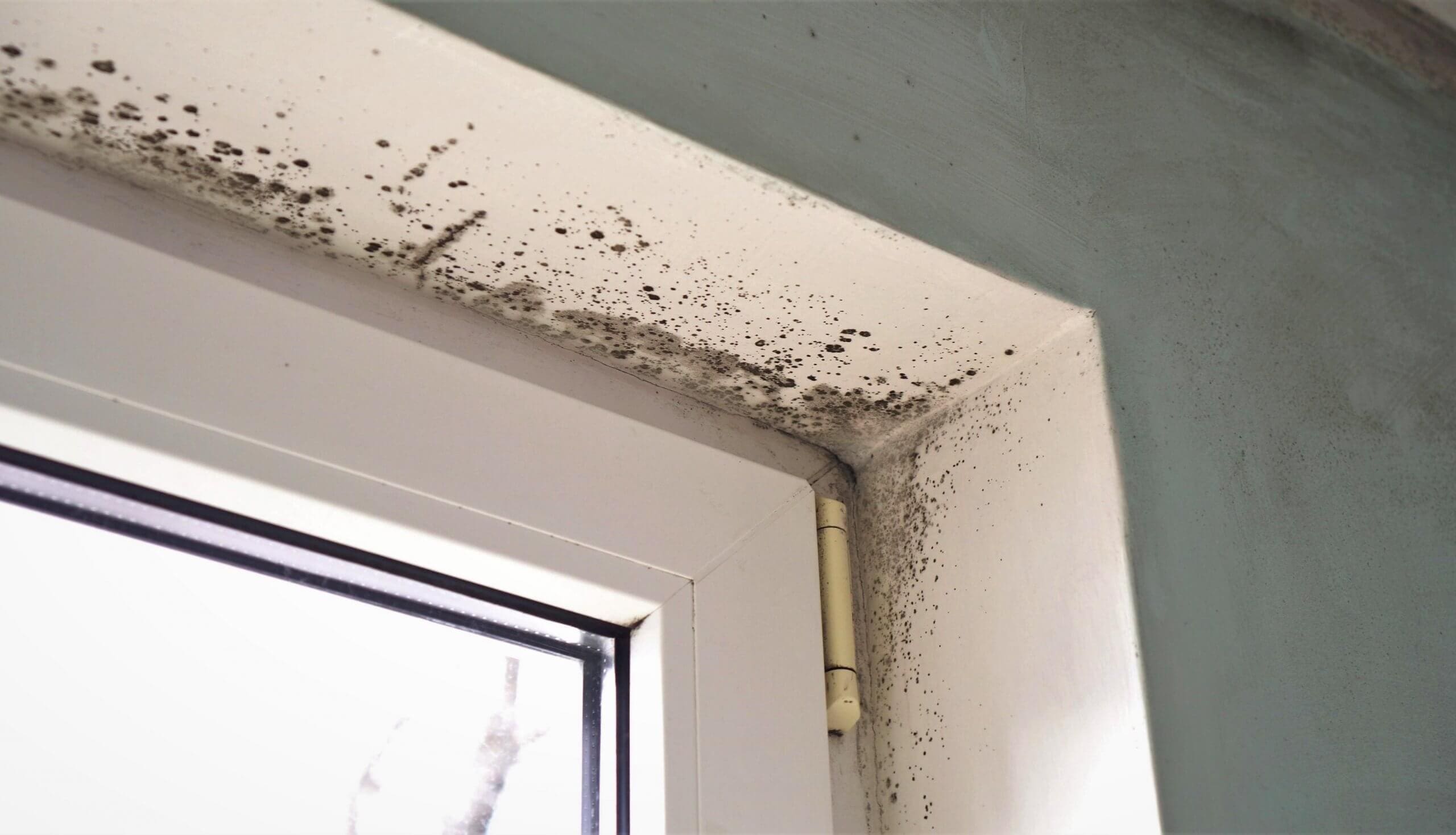
Mould growth affects one in three homes, and it is the biggest cause for complaints and litigations filed to the relevant authorities in australia, while also significantly affecting the physical and psychological health of the building’s occupants.
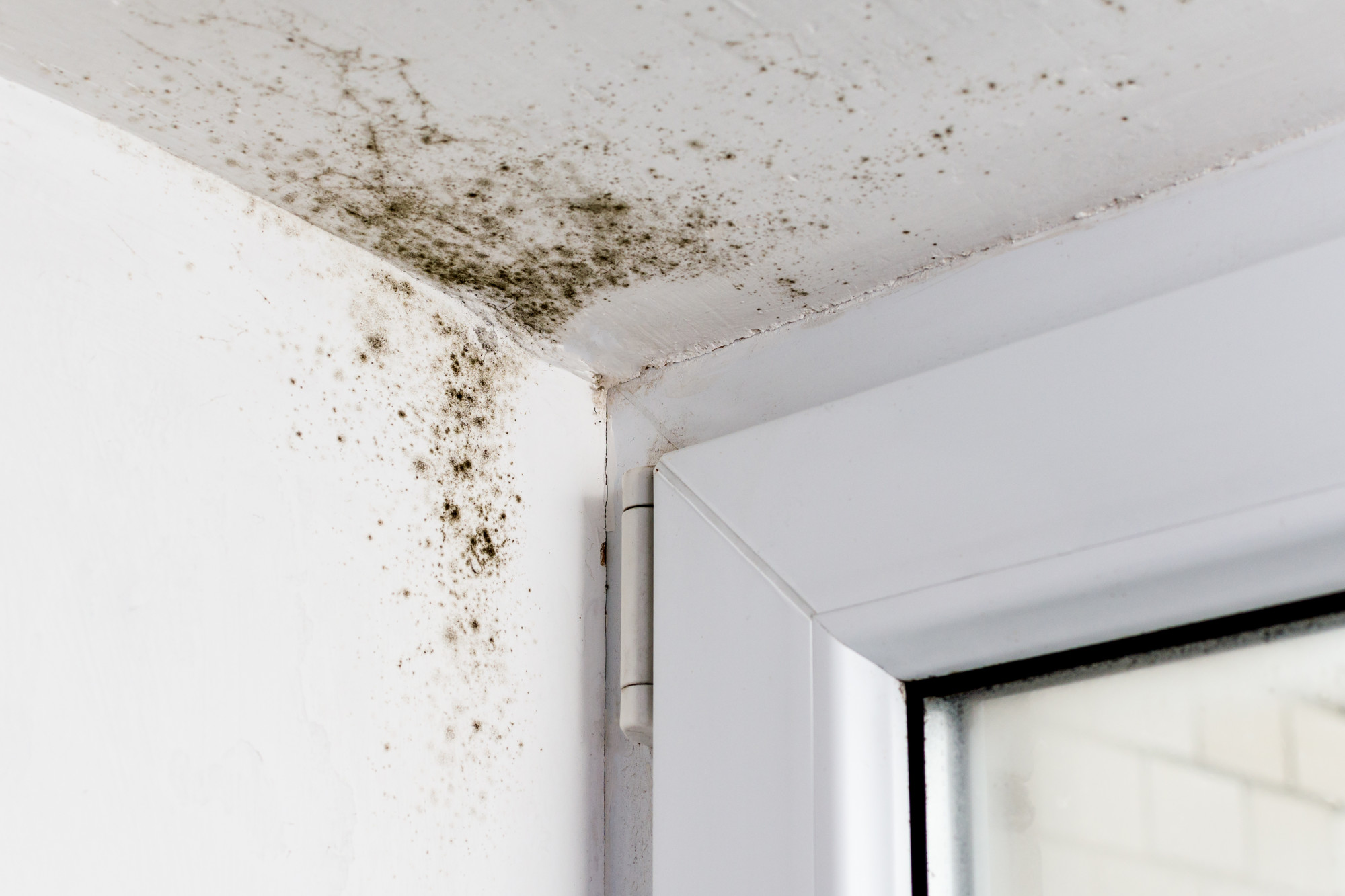 Indoor mould is caused by excessive dampness, resulting from poor architectural specification, construction and maintenance practices, as well as inappropriate behaviour of the occupants. The consequences range from early biodeterioration of building materials, requiring anticipated renovation works, to deterioration of the indoor environment, posing a serious threat to the building’s occupants. This study investigates indoor air quality (iaq) and mould growth, providing a snapshot of the current iaq of australian residential buildings regarding air pollutants.
https://nf7.z1.web.core.windows.net/moldpreventiontips/Mold-Prevention/62-Acute-Respiratory-Infection.html
Indoor mould is caused by excessive dampness, resulting from poor architectural specification, construction and maintenance practices, as well as inappropriate behaviour of the occupants. The consequences range from early biodeterioration of building materials, requiring anticipated renovation works, to deterioration of the indoor environment, posing a serious threat to the building’s occupants. This study investigates indoor air quality (iaq) and mould growth, providing a snapshot of the current iaq of australian residential buildings regarding air pollutants.
https://nf7.z1.web.core.windows.net/moldpreventiontips/Mold-Prevention/62-Acute-Respiratory-Infection.html
Ensuring optimal indoor air quality (iaq) begins with understanding its critical role in health and productivity. High-quality indoor air is not just a comfort factor; it is essential for enhancing concentration, boosting morale, and driving productivity across industries like manufacturing, hospitality, and healthcare. Prioritizing iaq is fundamental to creating safer, healthier environments that support both workforce and operational success. Indoor air quality (iaq) refers to the condition of the air within and around buildings and structures, especially as it pertains to the health and comfort of occupants. It involves factors such as pollutant levels, ventilation efficiency, and overall air freshness.
Substantial research has been completed to investigate the associations of adverse health effects with dampness and mold in workplaces. (for information on the health consequences of dampness and mold in schools, see the section of this web site on iaq in schools). Sixteen studies published in 18 peer-reviewed journal articles were identified and key study features and findings are provided in table 6. Five studies [ 17-21 ] report statistically significant increases in asthma health outcomes (asthma diagnosis, asthma exacerbation, or asthma onset) in buildings with visible dampness or mold or mold odor. A sixth study reported in three papers [ 22-24 ] found statistically significant increases in asthma outcomes in buildings with damp concrete causing an increase in airborne concentration of the chemical 2-ethyl-1-hexanol from degradation of pvc flooring placed on that concrete.
Can IAQ Monitors Detect Mold?
Air quality monitors are amazing devices, giving you the information you need to act and improve your air quality.
However, your air quality monitor isn’t infallible, and it has certain technical limitations that reduce the usefulness of mold detection. Your particle detector measures the number of particles in your air, not what kind they are. It can’t differentiate between the mold spores in your air and other particulate pollutants, so it just counts them all as “particulate matter. ” furthermore, spore size depends on species, so some mold spores may not fall into the simple categories of coarse particles (pm10) or fine particles (pm2.
Mold detection and prevention are at the forefront of sensibo's capabilities. Here's how sensibo's technology plays a pivotal role: real-time monitoring: sensibo continuously monitors your indoor air quality, including humidity levels. It provides real-time data on humidity changes, which is a critical factor in mold growth. By staying informed about humidity fluctuations, you can proactively address any issues before mold has a chance to thrive. Humidity control: sensibo allows you to set and maintain optimal humidity levels in your indoor environment. This feature is essential for mold prevention, as it ensures that your space remains dry and inhospitable to mold growth.
Improving indoor air quality requires a proactive approach, starting with regular monitoring. Employing iaq monitors can provide real-time insights into humidity levels and the presence of vocs, key indicators of mold growth. Additionally, ensuring efficient air purification and moisture control within buildings can significantly reduce the risk of mold proliferation. This means regular hvac inspections, the use of dehumidifiers in damp areas, and immediate remediation of any water damage.
2. Particulate Matter Levels:
Using dehumidifiers and air purifiers can significantly aid in preventing mold growth and improving indoor air quality. Dehumidifiers help maintain optimal humidity levels, particularly in areas prone to excess moisture. Air purifiers with hepa filters can effectively capture airborne mold spores and other particulate matter, improving overall indoor air quality. These devices are especially beneficial for individuals with allergies or respiratory conditions.
Indoor air quality refers to the level of pollutants, contaminants, and other factors within the indoor environment that may affect the health and comfort of the occupants. These pollutants can be anything from chemicals released by building materials and household products to outdoor pollutants such as pollen and dust. To assess indoor air quality, various parameters are considered, including the levels of carbon dioxide (co2), volatile organic compounds (vocs), particulate matter (pm), and humidity. These factors are measured and analyzed to determine the overall air quality and identify potential issues.
Mold indoors can affect indoor air quality. As mold grows indoors, it could increase the air’s carbon dioxide (co2). Seeing a spike in co2 levels could show severe mold growth. Standard carbon dioxide runs about 400 parts per million (ppm), and if the sensor reads more than 10,000 ppm, that could mean severe mold activity, and then 2,000 to 3,000 ppm could mean some mold activity. (3) creating better ventilation in the building can help reduce the significant co2 levels. Another condition to be on the watch for is microbial volatile organic compounds (mvocs). They are produced by mold, have strong unpleasant smells, and are quickly released into the air.
While some molds are noticeable due to their distinct color and texture, others can grow undetected in the shadowy recesses of your home. Humid and damp conditions, in particular, can produce microbial volatile organic compounds (mvocs), which are the culprits behind many health-related issues. Here are some typical signs that mold might be impacting your indoor air:.
For many businesses, the root cause of poor iaq is a neglected hvac system that fails to filter out harmful particles. This leaves dust, dander, and volatile organic compounds (vocs) to circulate through the air. Here are some of the primary sources: neglected filters: when hvac filters aren’t replaced regularly, they become clogged, recirculating dust, pollen, and other contaminants. A simple hvac system air filter replacement can make a big difference in the air quality. Mold and moisture: poor humidity control leads to damp conditions, creating a breeding ground for mold. Mold spores can spread quickly through your building, exacerbating respiratory issues for occupants.
Mold can profoundly impact indoor air quality by releasing spores and microbial volatile organic compounds (mvocs). These microscopic mold particles are easily inhaled and can trigger various health issues.