Artificial Intelligence in Coaching
by Admin
Posted on 09-08-2025 06:37 PM

What is AI Coaching?
AI coaching refers to the use of artificial intelligence technologies, such as machine learning, natural language processing, and computer vision, to provide personalized coaching and guidance to individuals. AI coaching tools can analyze data from various sources, including wearables, sensors, and online platforms, to provide insights and recommendations to improve performance. AI coaches can be used in various settings, including sports, business, education, and health, to help individuals achieve their goals and improve their overall well-being.
Applications of AI in Coaching
AI is being applied in various coaching settings, including sports, business, and education. In sports coaching, AI is being used to analyze player performance, provide personalized feedback, and develop customized training programs. In business coaching, AI is being used to provide leadership development, career coaching, and performance management. In education, AI is being used to provide personalized learning plans, adaptive assessments, and real-time feedback to students.
Sports Coaching
AI is being used in sports coaching to analyze player performance, track progress, and provide personalized feedback. AI-powered coaching tools can analyze data from various sources, including wearables, sensors, and video footage, to provide insights on player technique, fitness, and strategy. For example, AI-powered video analysis tools can be used to analyze a tennis player's serve, providing feedback on technique, speed, and spin. AI-powered coaching tools can also be used to develop customized training programs, taking into account a player's strengths, weaknesses, and goals.
Business Coaching
AI is being used in business coaching to provide leadership development, career coaching, and performance management. AI-powered coaching tools can analyze data from various sources, including employee surveys, performance reviews, and sales data, to provide insights on employee engagement, productivity, and performance. For example, AI-powered coaching tools can be used to analyze a manager's leadership style, providing feedback on communication, decision-making, and team management. AI-powered coaching tools can also be used to develop customized leadership development programs, taking into account a manager's strengths, weaknesses, and goals.
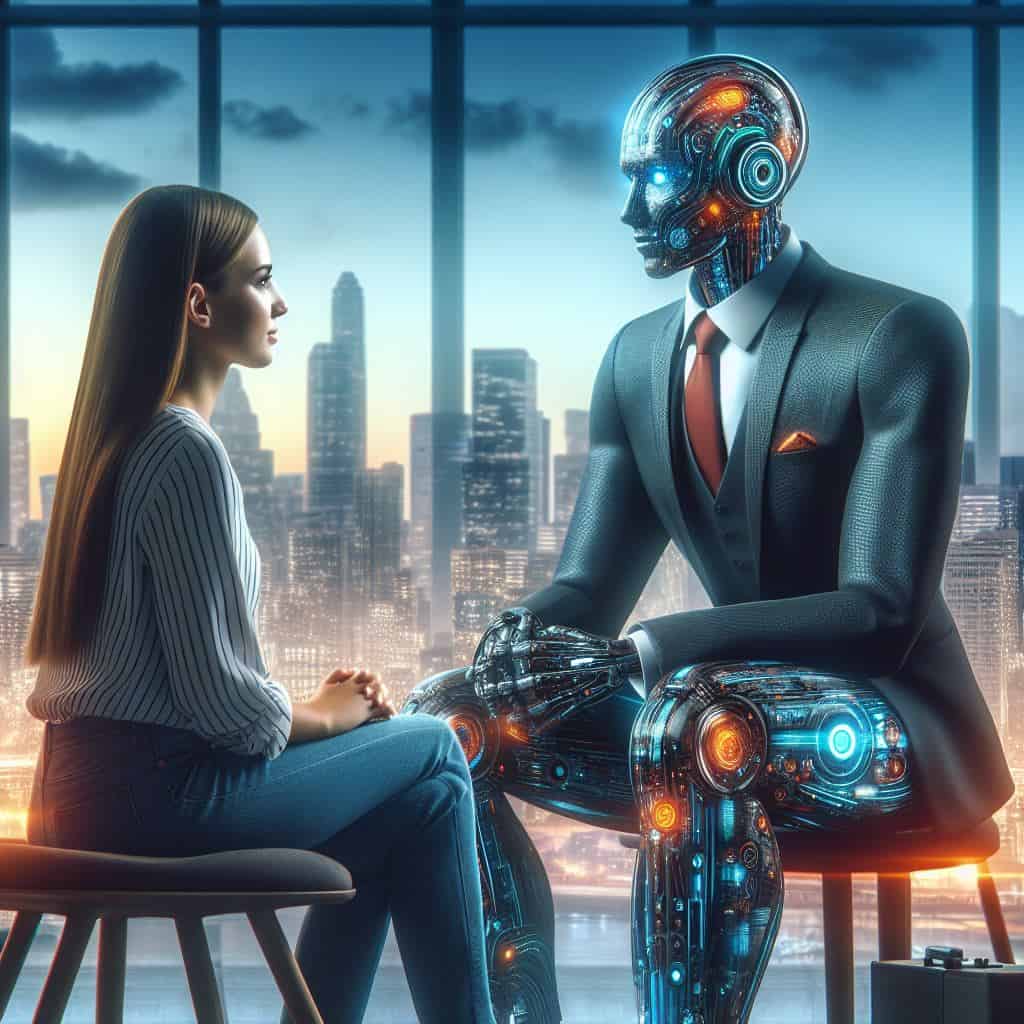
Benefits of AI in Coaching
The use of AI in coaching has several benefits, including personalized guidance, improved performance, and increased efficiency. AI-powered coaching tools can provide personalized feedback and guidance, taking into account an individual's unique needs, goals, and circumstances. AI-powered coaching tools can also analyze large amounts of data, providing insights and recommendations that may not be apparent to human coaches. Additionally, AI-powered coaching tools can work around the clock, providing support and guidance to individuals at any time and from any location.
Personalized Guidance
AI-powered coaching tools can provide personalized guidance, taking into account an individual's unique needs, goals, and circumstances. AI-powered coaching tools can analyze data from various sources, including wearables, sensors, and online platforms, to provide insights and recommendations that are tailored to an individual's specific needs. For example, an AI-powered fitness coach can provide personalized workout plans, taking into account an individual's fitness level, goals, and preferences.
Improved Performance
The use of AI in coaching can improve performance, by providing personalized feedback and guidance. AI-powered coaching tools can analyze data from various sources, including performance metrics, video footage, and sensor data, to provide insights and recommendations that can help individuals improve their performance. For example, an AI-powered sports coach can provide personalized feedback on technique, strategy, and fitness, helping athletes to improve their performance and achieve their goals.
Limitations of AI in Coaching
While AI has the potential to revolutionize coaching, there are several limitations to its use. One of the main limitations is the lack of human touch and empathy, which is essential for building trust and rapport with clients. Additionally, AI-powered coaching tools may not be able to fully understand the complexities and nuances of human behavior, which can lead to inaccurate or incomplete feedback. Furthermore, the use of AI in coaching raises ethical concerns, such as data privacy and bias, which must be addressed to ensure the responsible use of AI in coaching.
Human Touch and Empathy
One of the main limitations of AI in coaching is the lack of human touch and empathy. Human coaches can provide emotional support, empathy, and understanding, which is essential for building trust and rapport with clients. AI-powered coaching tools, on the other hand, may not be able to fully understand the emotional and psychological nuances of human behavior, which can lead to a lack of empathy and understanding.
Data Privacy and Bias
The use of AI in coaching raises ethical concerns, such as data privacy and bias. AI-powered coaching tools require access to large amounts of personal data, which must be protected from unauthorized access and misuse. Additionally, AI-powered coaching tools may be biased towards certain individuals or groups, which can lead to inaccurate or incomplete feedback.
Future of AI in Coaching
The future of AI in coaching is exciting and promising. As AI technologies continue to evolve and improve, we can expect to see more sophisticated and effective AI-powered coaching tools. The integration of AI with other technologies, such as virtual and augmented reality, will also enable new and innovative coaching experiences. Additionally, the use of AI in coaching will become more widespread, with more coaches and organizations adopting AI-powered coaching tools to improve performance and achieve success.
Best Practices for Implementing AI in Coaching
To get the most out of AI in coaching, it's essential to follow best practices for implementing AI-powered coaching tools, which is a key aspect of Artificial intelligence in coaching. This includes selecting the right AI-powered coaching tool, providing high-quality data, and ensuring data privacy and security. Additionally, it's essential to combine AI-powered coaching tools with human coaching, to provide a comprehensive and personalized coaching experience.
FAQs
What is AI coaching?
AI coaching refers to the use of artificial intelligence technologies, such as machine learning, natural language processing, and computer vision, to provide personalized coaching and guidance to individuals.
How does AI coaching work?
AI coaching tools analyze data from various sources, including wearables, sensors, and online platforms, to provide insights and recommendations that are tailored to an individual's specific needs.
What are the benefits of AI coaching?
The benefits of AI coaching include personalized guidance, improved performance, and increased efficiency.
Can AI coaching replace human coaching?
No, AI coaching is not intended to replace human coaching, but rather to augment and support it. Human coaches provide emotional support, empathy, and understanding, which is essential for building trust and rapport with clients.
Is AI coaching effective?
Yes, AI coaching can be effective, but its effectiveness depends on the quality of the AI-powered coaching tool, the data used to train it, and the individual's willingness to use it and follow its recommendations.